How to Protect Edibles and Ornamentals from Garden Pests
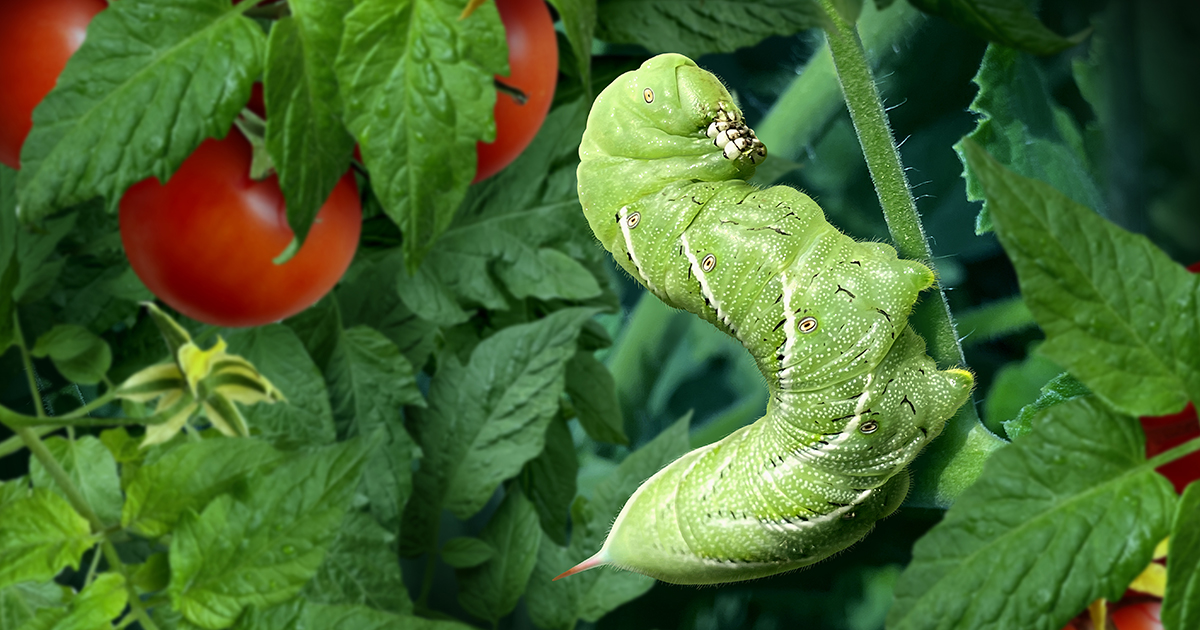
Walk out to the vegetable patch on a July morning and you might find hornworms working through your pepper plants. Cross the yard to check the flower border, and there they are again — different leaves, same problem. In a garden that mixes food crops with ornamentals, one pest problem is really two, and the treatment plan has to work for both without putting your harvest at risk.
This guide walks through what to watch for, how to treat edibles and flowers under one plan, and the label rules that keep produce safe to pick.
Table of Contents
- What Counts as a Garden Pest
- When to Expect Pest Activity
- Understanding Pre-Harvest Intervals
- Edible vs. Ornamental Treatment Rules
- Applying Granular Insect Control
- A Post-Treatment Checklist
- Preventing Repeat Pest Pressure
What Counts as a Garden Pest
A garden pest is any insect that feeds on the parts of a plant you want to keep — roots, stems, foliage, buds or fruit. In a mixed garden, a short list of insects causes most of the damage:
- Tomato hornworms — Big green caterpillars that strip leaves and chew fruit on tomatoes, peppers and related crops. Damage often escapes notice until later growth stages, when caterpillars have the biggest appetite and can strip leaves rapidly — most of the defoliation happens once caterpillars reach their final instar.1 Learn more about how to identify and control tomato hornworms before they cause significant damage to your crops.
- Japanese beetles — Half-inch beetles with a metallic sheen. They skeletonize leaves and feed across a wide variety of flowers, trees and shrubs.2 Understanding the Japanese beetle life cycle and feeding habits can help you recognize problems and take action at the right time.
- White grubs — Pale, C-shaped larvae that stay hidden in the soil. They feed on plant roots wherever they're found — in garden beds, containers, or lawns — with certain grass species and stressed or drought-prone plants most susceptible to real damage.3
- Aphids — Tiny, pear-shaped insects that cluster on new growth and leaf undersides. Curled leaves, yellow patches and sticky honeydew are the usual signs.4
- Ants and other crawling insects — Often a clue that aphids are nearby. Ants tend to the aphids for honeydew and can disturb seedlings.
Knowing how to identify common plant pests and the damage they cause makes it easier to respond before problems spread throughout your garden.
The tricky part: most of these insects cross from a squash plant to a hydrangea without a second thought. Your response has to cover both sides of the garden.
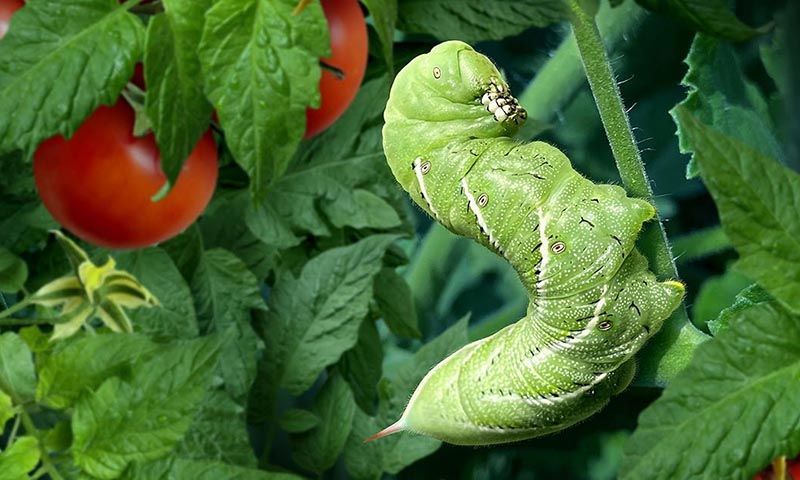
Regularly inspect plants for pests and signs of feeding damage, such as chewed leaves, holes, discoloration or stressed growth.
When to Expect Pest Activity
Pest pressure shifts with the season. Use this as a rough scouting guide:
- Early spring — Aphids arrive on soft new growth.
- Late spring — Root damage from spring grubs shows up in lawn edges and around ornamentals.
- Early to midsummer — Japanese beetles emerge and feed heavily.
- Midsummer to late summer — Hornworms appear on tomatoes and peppers.
- Fall — A fresh round of grubs settles into the soil for winter.
Scouting a week or two ahead of these windows gives you time to treat before damage spreads.
Understanding Pre-Harvest Intervals
If you grow food, this is the rule that matters most.
A Pre-Harvest Interval, or PHI, is the number of days that must pass between treating a crop and harvesting it.5 The number lives on the product label, and it changes from crop to crop on the same product.
Here's a sample comparison — real numbers depend on the exact product you're using:
| Crop | Example PHI |
| Tomatoes | 3 days |
| Peppers | 3 days |
| Cucumbers | 3 days |
| Beans | 3 days |
| Cabbage | 7 days |
PHI windows vary widely. Read the label for each crop before you spray, and read it again before you harvest.
Edible vs. Ornamental Treatment Rules
The same pest can hit both sides of the garden, but the rulebook is different for each. A quick side-by-side:
| Consideration | Edible plants | Ornamental plants |
| Main goal | A usable harvest | Vibrant foliage and blooms |
| Harvest window | PHI applies | No PHI |
| Label check | Must list the specific crop | Must list the specific plant type |
| Timing | Planting, emergence, well before harvest | Whenever pests or damage appear |
Bottom line for edibles: the label has to name the fruit, vegetable or herb you're treating, and the PHI is must be followed.
Applying Granular Insect Control
Granular products fit well in mixed gardens, handling above-ground pests on contact. Whether a product also controls root-feeding pests like grubs depends on its active ingredient — insecticides labeled for white grubs can provide effective control when applied and watered in as directed, moving them into the root zone where grubs feed.³ ⁶
When pest pressure calls for treatment, Sevin Insect Killer Lawn GranulesII can help protect lawns, edible gardens and ornamental plants from listed damaging insects. The ready-to-spread granules kill more than 100 listed insects by contact, including aphids, Japanese beetles, ants and white grubs, and work above and below the soil’s surface. Applied according to label directions, the product provides protection for up to three months and can be used as a preventive treatment or when listed insects first appear.
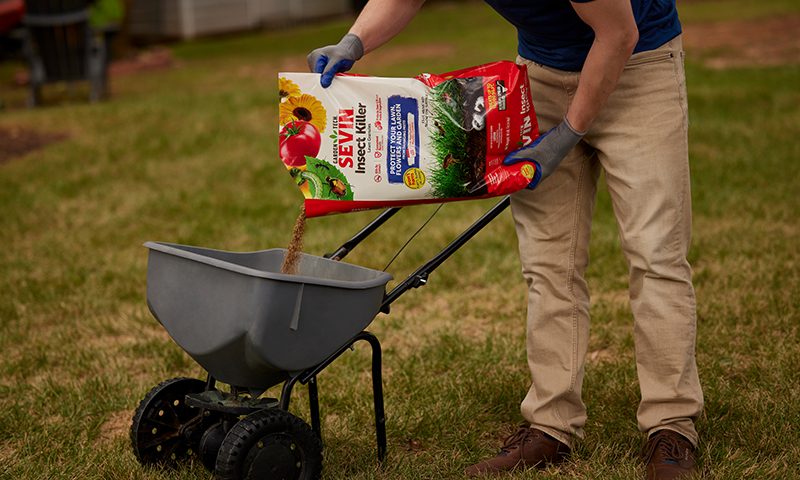
Granular insect control can help target listed damaging insects in and around garden soil when applied according to label directions.
Before You Start
Clear the area of people and pets. Nobody should be in the treatment zone during application, and no one should return until the area has been watered in and the surface is dry.7 Check the label for the exact re-entry timing.
Step-by-Step
- Read the label first. Confirm your specific plants and pests are listed.
- Spread the granules evenly around edible and ornamental plants at the listed rate using a spreader.
- Water the area in to move the active ingredient into the soil.
- Let the surface dry before anyone walks back through.
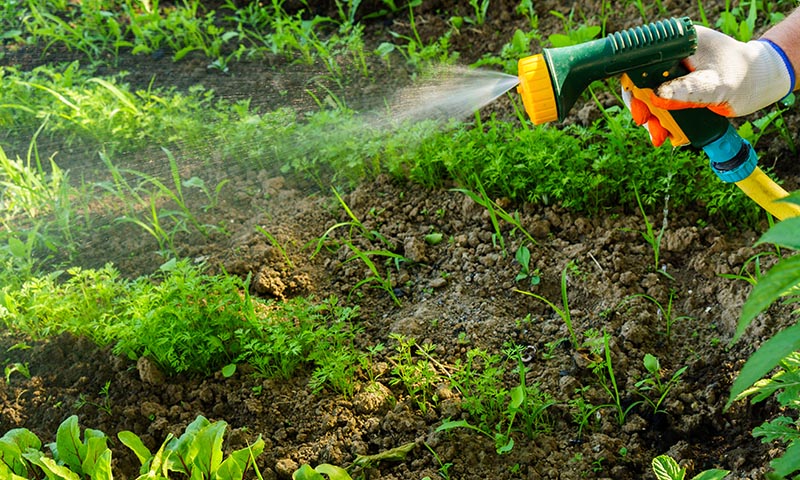
After applying granules at the labeled rate, water the treated area as directed to move the active ingredient into the soil.
Never mix directions from one product with another. If the label warns against applying during peak pollinator activity, wait until pollinators are less active.8
A Post-Treatment Checklist
After you treat, run through this short list before you walk away:
- Product label matches every plant treated
- Application rate and coverage followed exactly
- Area watered in per label directions
- Treated surface dries before re-entry
- Harvest dates noted on a calendar (PHI countdown)
- Empty bag disposed of per label
Preventing Repeat Pest Pressure
Even a well-treated garden benefits from steady habits:
- Scout weekly. Check leaf undersides and new growth.
- Clear away damaged leaves and dropped fruit.
- Water at the soil line to keep foliage dry.
- Rotate vegetable crops each season.
- Feed and mulch — a strong plant shrugs off minor pest damage.
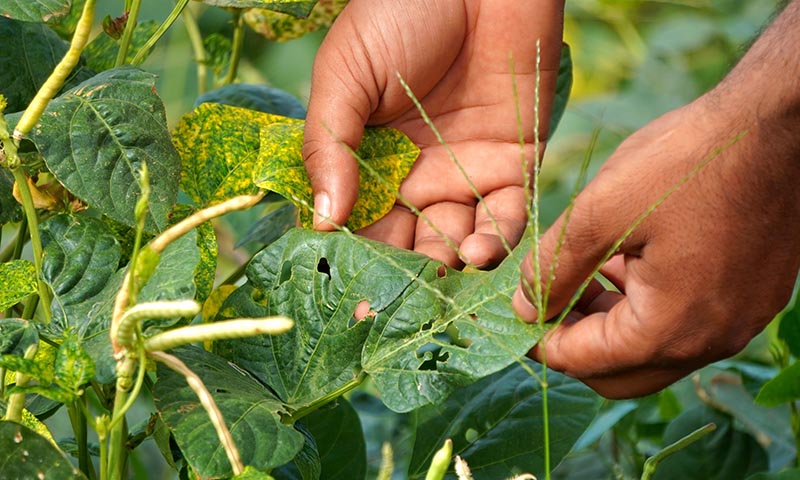
Regular scouting and good growing practices can help you spot pest problems early and support stronger plants throughout the season.
Protecting a garden from pests doesn’t have to mean choosing between vibrant ornamentals and a productive harvest. By scouting regularly, supporting strong plants and treating pest problems when they arise, you can help keep damaging insects in check throughout the growing season. With the right approach—and careful attention to product labels—you can protect the fruits, vegetables, flowers and ornamentals that make your garden worth growing.
Always read product labels thoroughly and follow instructions, including guidelines for listed plants and pests, application frequency, and pre-harvest intervals (PHI) for edible crops.
Sevin is a registered trademark of Tessenderlo Kerley, Inc.
Sources:
1. Univ. of Maryland Extension, HGIC — "Tobacco and Tomato Hornworm on Vegetables" (Updated 3/12/2025)
2. Univ. of Minnesota Extension — "Japanese beetle" insect ID page
3. University of Maryland Extension, HGIC — "White Grubs in Lawn and Garden Soil" (Updated March 2026, authored by Miri Talabac)
4. University of Maryland Extension, HGIC — "Aphids in Home Gardens" (Updated October 2025, authored by Miri Talabac)
5. National Pesticide Information Center — "Preharvest Interval" (9/27/2023)
6. Oklahoma State University Extension — "White Grubs" (published 1/26/2026)
7. National Pesticide Information Center — "My yard is being sprayed; can my kids go out and play?"
8. U.S. EPA — "Tools and Strategies for Pollinator Protection" (3/5/2026)
-
Frequently Asked Questions
Can one insecticide cover vegetables and flowers?Only when the label lists both. Many granular garden products are EPA approved for a broad list of edibles and ornamentals — just confirm your specific plants appear before you apply. -
How long does granular pest control last?Residual control time varies widely by active ingredient and formulation — anywhere from about one to several weeks — so check the specific product label for its stated duration rather than relying on a general estimate.
-
Do I have to water after applying?Yes. Granules generally need water to release the active ingredient and move it into the soil where root-feeding pests live. Follow the label for directions.
-
Will granular insecticide hurt my plants?Granular insecticides are tested for plant safety when applied at labeled rates to plants listed on the label. Always confirm your specific plant is listed before applying.
-
When can kids and pets return to the treatment area?After the area has been watered in per label directions and the treated area is dry. Always follow the specific re-entry timing on the label.