Fall Lawn and Garden Pest Control: How to Stop Spring Insects Before They Start

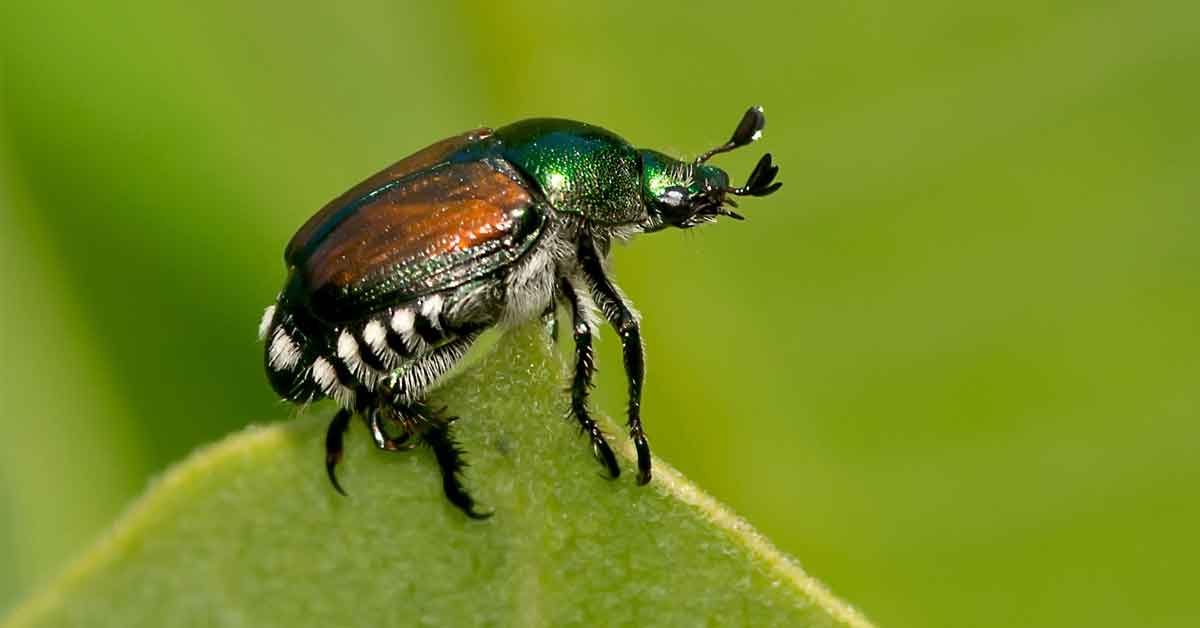
Did Japanese beetle grubs, chinch bugs, or squash vine borers hurt your lawn or garden this year? You don’t have to wait until spring to fight back. Many harmful bugs spend winter as eggs, larvae, or adults. They hide in soil, garden debris, and fallen leaves. They wait there until it warms up again1,4. That means fall cleanup and treatment can break this cycle before next year’s growing season even starts. Here’s how to use fall to protect the lawn and garden you’ve worked so hard to grow.
Table of Contents
- Why Fall Cleanup Matters for Spring Pest Prevention
- Mow, Rake and Clear Debris to Remove Pest Shelter
- Aerate the Lawn and Manage Thatch
- Time Insect Treatments to Match Pest Biology
- Prepare Your Vegetable Garden for a Better Spring
- Choosing the Right Product — and Reading the Label
Why Fall Cleanup Matters for Spring Pest Prevention
Garden bugs don’t disappear when it gets cold. Many of them just move to a new hiding spot. Take squash bugs, for example. They spend winter in old squash and pumpkin vines. If you leave that debris in your garden, the bugs can come back next year4. Squash vine borers do something similar. They only have one generation each year. Their larvae move into the soil under the plants to spend the winter. That’s why it helps to plant vining crops in a new spot each year4. On the lawn, white grubs and other bugs feed underground in the fall. This is also when skunks, raccoons and birds may dig up your lawn looking for a snack, which can mean two problems instead of one2. Taking action now, instead of waiting for spring, gives you a real shot at fewer pests next year.
Where common fall pests spend the winter:
- Squash bugs: old vine debris left from squash and pumpkin plants4
- Squash vine borers: soil beneath the host plants they damaged4
- White grubs: underground in lawn soil and turf2
Mow, Rake and Clear Debris to Remove Pest Shelter
Warm-season lawns don’t fully rest until the first hard freeze, so don’t put your mower away yet. Keep mowing at the right height for your grass type. Most grass does best between 0.5 and 3 inches, depending on the type. Cutting too short can stress the roots, and letting grass grow too tall can invite disease and fungus1.
Once you mow less often, look at what’s piling up on your lawn. Leaves, pine needles and thatch can block sunlight and trap moisture against the grass. That can lead to disease and insect problems. Clear this debris regularly, whether a little at a time or all at once, to help protect the grass underneath1.
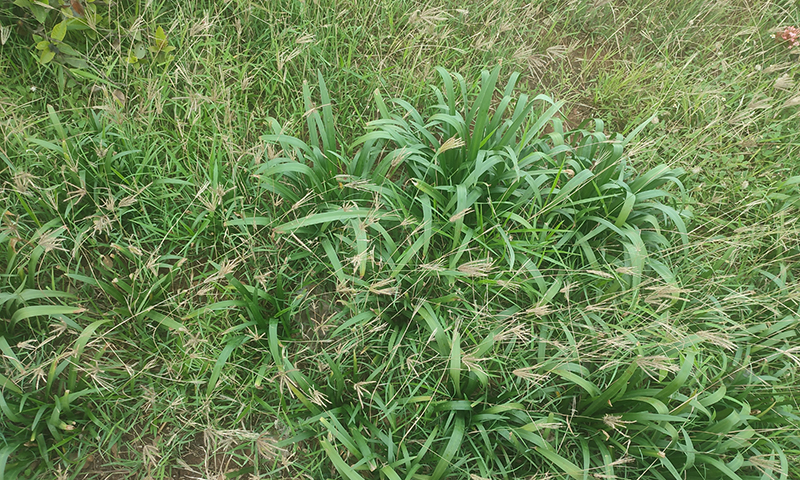
Thick thatch and leaves trap moisture. Bugs can hide there all winter.
The same idea applies to your vegetable garden. Squash bugs spend winter in old squash and pumpkin vines, so clean up this debris well. Compost it or till it into the soil. This lowers the number of bugs that come back next spring4.
Aerate the Lawn and Manage Thatch
Once you clear leaves and debris, it’s a good time to aerate your soil, especially if it’s heavy or has a lot of clay. Aerating loosens compacted soil, breaks up thick thatch, and helps your lawn take in air, water and nutrients. You don’t need to aerate every year — every three to four years is usually enough — and it’s best done before you fertilize or reseed in the fall1.
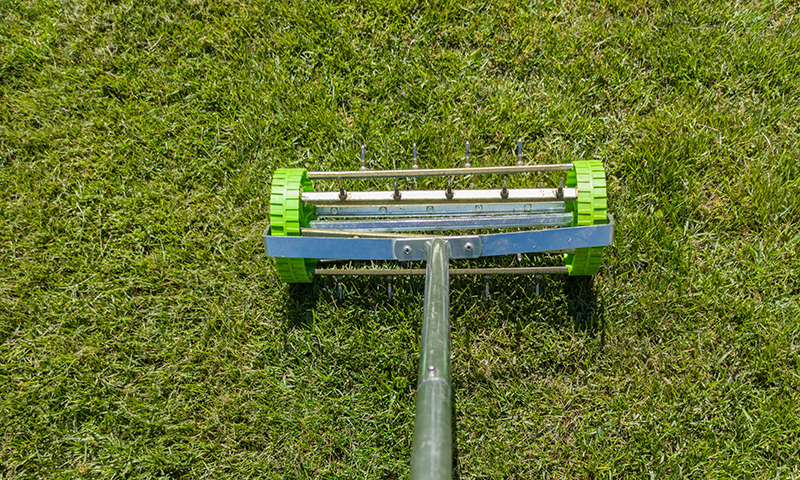
Aerating before you fertilize and plant grass seed helps them reach the soil.
Fall aeration sets up other lawn care steps, too. The holes left behind help grass seed make better contact with the soil when you’re filling in bare spots with something like Pennington Smart Seed (a combination seed + fertilizer). Check out this guide to Fall Lawn Maintenance Tips to walk you through the whole process, step by step.
Thatch affects more than root health. Lawn insecticides stick to grass blades and thatch, so a thick layer of thatch can stop the product from reaching bugs underneath. For best results, remove extra thatch before you treat the lawn for insects, then water well right away3.
Fall is also a great time for pre-emergent weed killers that target winter weeds like henbit and chickweed — just use them on areas you aren’t planting grass seed in1. If those weeds have already sprouted by the time you get to cleanup, a product like Image Herbicides Crabgrass, Nutsedge & Weed Killer ConcentrateII and Ready-To-SprayII can kill them down to the root instead. Weeds give bugs more places to hide, so adding weed control to your fall routine leaves pests fewer places to hide all winter1.
Fall lawn care, in order:
- Aerate: loosen compacted soil and break up thatch1
- Fertilize and overseed: feed roots and fill bare patches before winter
- Dethatch before treating for insects: clear excess buildup so insecticides can reach pests underneath3
- Control weeds: use pre-emergent on areas you aren’t overseeding, or post-emergent on weeds that have already sprouted1
Time Insect Treatments to Match Pest Biology
Not every lawn insecticide works the same way, so it helps to know the difference before you treat. Systemic insecticides get taken up into the grass itself, so bugs have to eat the treated grass for the product to work. Apply it too early, before grubs hatch, and it won’t work well. Apply it too late, once grass growth slows and grubs eat less, and it also won’t work well2. Contact insecticides work differently. They don’t get absorbed into the grass. Instead, they act on bugs wherever the product touches them, above or below the ground, which is why watering it in well right after you apply it matters so much.
| Systemic2 | Contact2 | |
| How it works | Absorbed into the grass | Acts wherever it touches the pest |
| Requires | Active feeding on treated turf | No feeding required |
| Timing sensitivity | High — must match grub activity | Lower — works above or below the surface |
Lawn damage from bugs like white grubs often starts small — a few yellow or brown patches that can grow into bigger dead spots as the bug population grows2. If you spot this kind of damage, treat your lawn while the bugs are still feeding, rather than waiting until they move deeper into the soil for winter. Treating early gives the product the best chance to work.
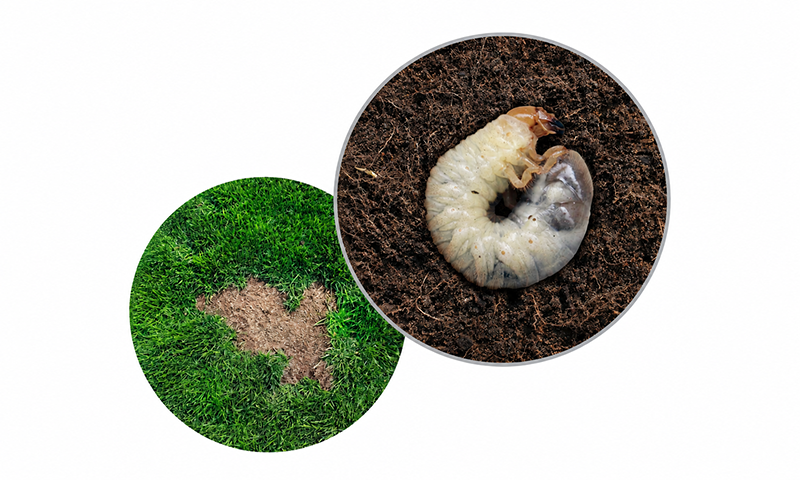
White grub damage often starts small. You’ll see yellow or brown patches that spread if you don’t treat them.
For lawns, home perimeters and other plants, Sevin Insect Killer GranulesII kill white grubs and more than 100 other listed bugs on contact, reaching listed pests both above and below the ground, and keep protecting for up to three months once you water it in. Granules work on contact, not through the plant, so bugs don’t need to be eating treated grass for it to work — but applying it while grubs are still active near the surface, and removing extra thatch first, still gives you the best results. Water thoroughly after you apply it, and check the label for the timing and amount that fits your lawn.
Prepare Your Vegetable Garden for a Better Spring
Vegetable gardens benefit from this same approach. Squash bugs spend winter in old vines left after squash and pumpkin plants stop producing, so a good fall cleanup — followed by composting or tilling the old vines into the soil — helps stop them from surviving winter4.
Squash vine borers need some planning too. They only have one generation each year. Their larvae dig into the soil under the plants they damaged and stay there until the next season. Because of this, planting squash and pumpkins in a new spot each year is one of the best ways to reduce how many borers come back4.
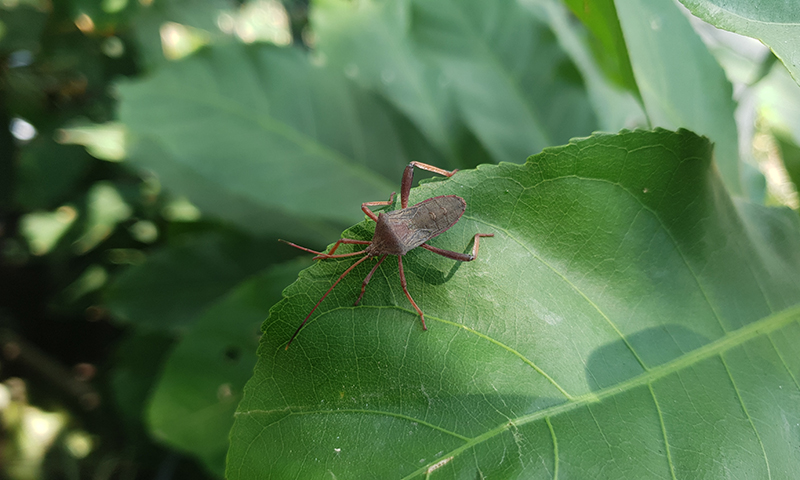
Squash bugs spend winter in old vines. They come back to the garden next year if you don’t clean up.
For vegetable gardens, flower beds, shrubs and other plants, Sevin Insect Killer ConcentrateII and Ready To SprayII both kill squash bugs and more than 500 other listed bugs on contact. They keep protecting your plants for up to three months (except from fire ants, fleas, ticks and mosquitoes), helping guard your vining crops from bugs that might hide in fall garden debris. Always check the label for the exact plants and pests it covers before you spray.
Choosing the Right Product — and Reading the Label
Sevin’s Insect Killer GranulesII, ConcentrateII, and Ready To SprayII work on contact, so they only kill bugs they actually touch, above or below the surface. That means timing matters. Apply while the bug is still active, not after it has moved deep underground for winter. Once white grubs have dug deep, or squash bugs have hidden in thick debris for the season, a contact product can’t reach them. At that point, the cleanup steps from earlier matter more than another treatment.
| Product | Application | Best For |
| Granules | Broadcast spreader | Lawns, perimeters, garden beds |
| Concentrate | Mixed with water, 1–2 gallon sprayer | Smaller applications, spot spraying |
| Ready To Spray | Hose attachment, no mixing | Large broadcast lawn and ornamental application |
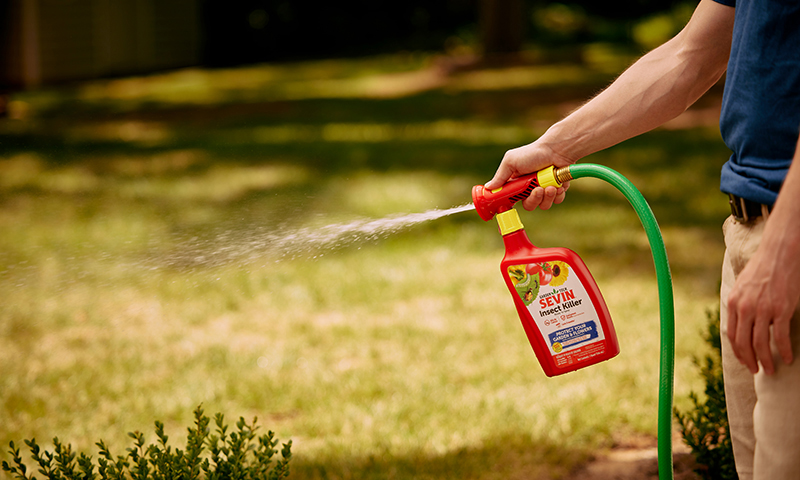
Sevin Insect Killer Ready To SprayII connects to your garden hose. No mixing needed — just spray.
For ready-to-spray and concentrate products, people and pets can re-enter the treated area once it has dried. For granules, wait until the product has been watered in and the area has dried, which typically takes just an hour or two. If bugs come back, you can treat again, but don’t apply more often, or closer to harvest, than the label allows. These limits can be different for each product and each plant.
A little fall work now can save you a lot of trouble come spring. Clearing debris, aerating your soil, and treating the bugs already causing damage all work together — each step helps the next one work better. Add the right Sevin product for your yard, and you’re not just fixing this year’s problem. You’re getting ahead of next year’s.
Always read product labels closely and follow the instructions. This includes guidelines for listed plants, pests and wait times before harvest on edible crops.
GardenTech is a registered trademark of Gulfstream Home and Garden, Inc.
Sevin is a registered trademark of Tessenderlo Kerley, Inc.
Sources
- Lincoln County, University of Georgia Cooperative Extension. “Fall Lawn Chores,” (September 17, 2021)
- Home and Landscape, UC Statewide Integrated Pest Management Program, University of California. “Lawn Insects,” (Updated: 09/2014)
- Turfgrass Pest Management Guidelines, UC Statewide Integrated Pest Management Program, University of California. “Masked Chafers (White Grubs),”
- University of Minnesota Extension. “Common Insects in Vegetable Crops,” (Reviewed in 2026)
- National Pesticide Information Center. “Reading Pesticide Labels,” (Last updated July 24, 2025)
-
Frequently Asked Questions
When should I start fall pest prevention?Start as soon as your lawn or garden begins slowing down for the season. Many bugs are still active in early fall, so cleanup and treatment now can stop them before they finish moving into soil or plant debris for winter. -
Do I need to remove thatch before treating my lawn for insects?Yes. Thick thatch can stop lawn insecticides from reaching bugs underneath, since these products stick to grass blades and thatch. For better results, remove extra thatch and water well after you apply the product.
-
What controls grubs in lawns effectively?Sevin Insect Killer GranulesII kill white grubs and more than 100 other listed lawn bugs on contact. It reaches pests above and below the ground and keeps protecting your lawn for up to three months once you water it in. Granules work on contact, not through the plant, so for best results, apply while grubs are still active near the surface and remove extra thatch first.
-
What kills squash bugs?Sevin Insect Killer ConcentrateII and Sevin Insect Killer Ready To SprayII both kill squash bugs and more than 500 other listed garden bugs on contact, with protection lasting up to three months (except fire ants, fleas, ticks and mosquitoes). You can add extra protection by clearing old squash and pumpkin vines each fall, since that’s where squash bugs spend the winter.
-
Can rotating my vegetable garden really reduce pest problems?Yes, especially for squash vine borers. Their larvae spend winter in the soil under the plants they damaged. Plant vining crops in a new spot each year, and fewer borers will have a host plant waiting for them next year.
-
Which Sevin product should I use, and how do I know it’s right for my situation?It depends on where you’re treating and how you like to apply products. Sevin Insect Killer GranulesII work well for lawns, perimeters and garden beds, and you spread them with a broadcast spreader. Sevin Insect Killer ConcentrateII mixes with water for spraying larger areas. Sevin Insect Killer Ready To SprayII connects to a hose for quick, no-mix treatment. Always check the current label to make sure it covers your plants and pests, since similar products can be labeled for different uses.