Katydids
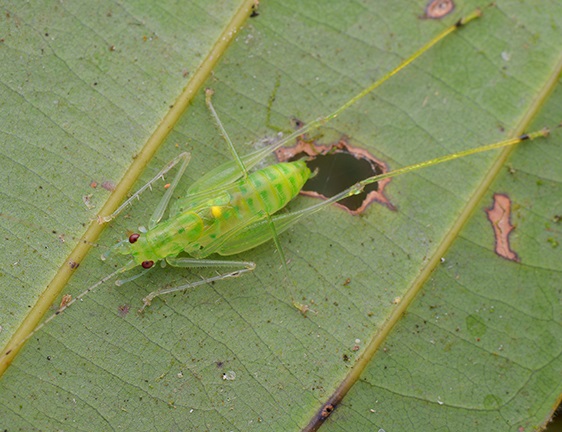
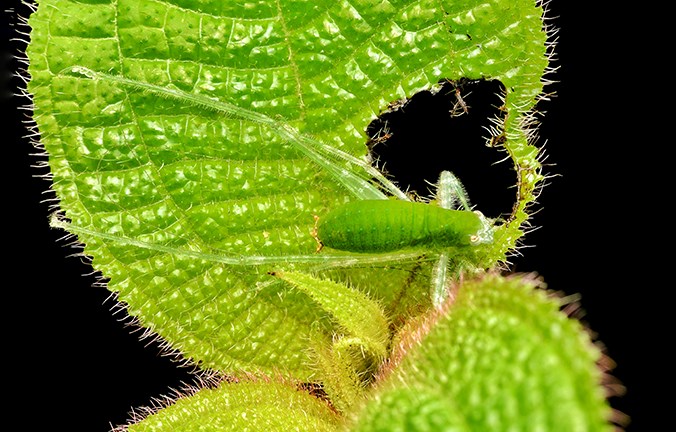
With over 6,400 species of katydids existing worldwide, it's no surprise that homeowners know these nuisance insects. Katydids cause damage to leaves, young fruit and petals. Get ahead of katydids to keep your trees and flowers healthy.
Katydid Identification
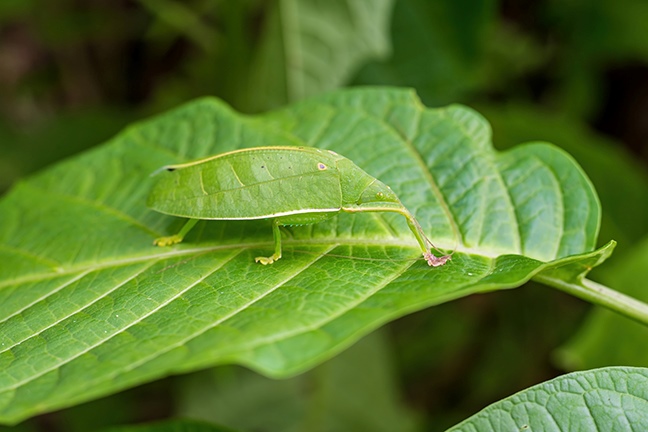
Adult katydids look similar to grasshoppers and crickets, but with much longer antennae that span the entire length of their bodies, or longer. They're often green in color and can shift their tone to camouflage into the foliage they're exploring. Depending on the species, katydids measure 1/2 inch to 4 inches in length with a narrow body, wings and thin, long hind legs.
Mature katydids often get mistaken for small, green leaves. So, pay attention to movement or sound. Jumping, chirping and buzzing created by rubbing their wings together also makes katydids stand out. Katydids don't fly, but can flutter-hop using their wings.
Katydid Signs or Damage
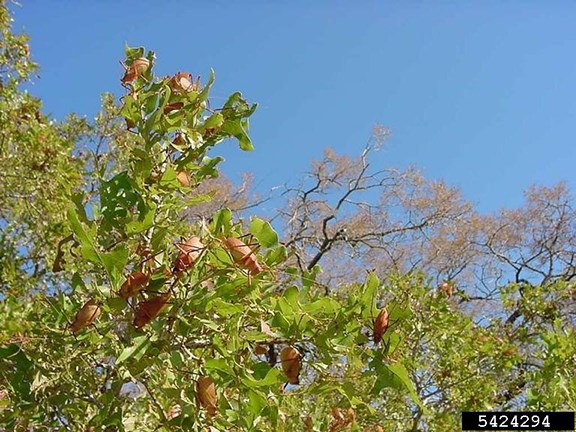
Katydids feed on vegetation such as leaves, flowers (especially pollen), leaves of deciduous trees and shrubs, and young, growing fruits. Look closely for bite marks and round or oval scar tissue on these types of plants. The damage katydids leave behind on fruit often resembles the marks left by earwigs or citrus cutworms.
Interestingly, katydids usually only take one bite of a piece of fruit before moving on, which means one insect can do significant damage to a fruiting tree or bush quickly as they move among branches.
Katydids are nocturnal. It's easiest to spot them at dusk or evening hours. They tend to cause the most damage in the United States from mid-July through September.
How to Control Katydids
Effective treatment of katydids ensures the health and beauty of your trees, shrubs, flowers and bushes. GardenTech® offers a variety of outdoor pest control products to keep katydids from damaging the foliage in your yard.
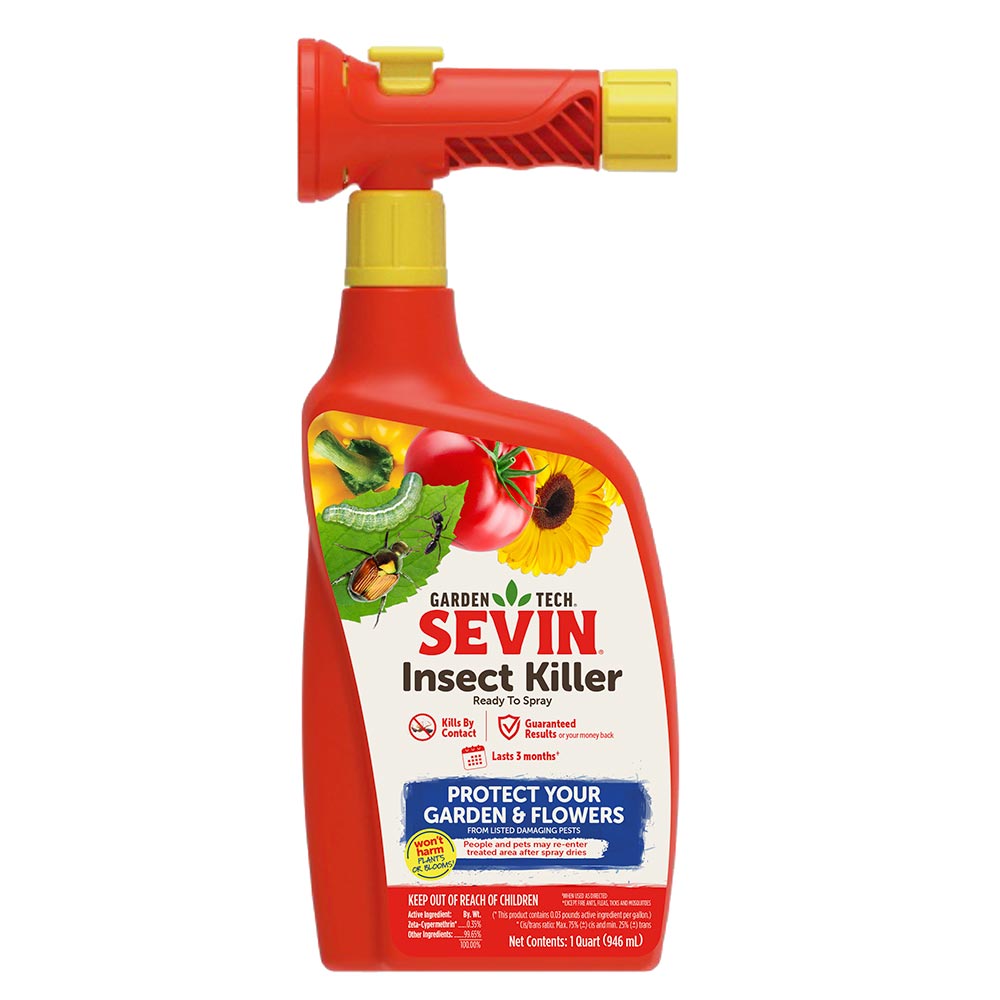
- Sevin® Insect Killer Ready To Spray kills katydids on contact without harming your flowers or greenery. When used at the early signs of insect damage, this spray will last up to three months. Simply shake and then attach the bottle to your garden hose, turn on the water and spray your flowers, lawn, trees, bushes and any areas where you've spotted katydids or their damaging bite marks.
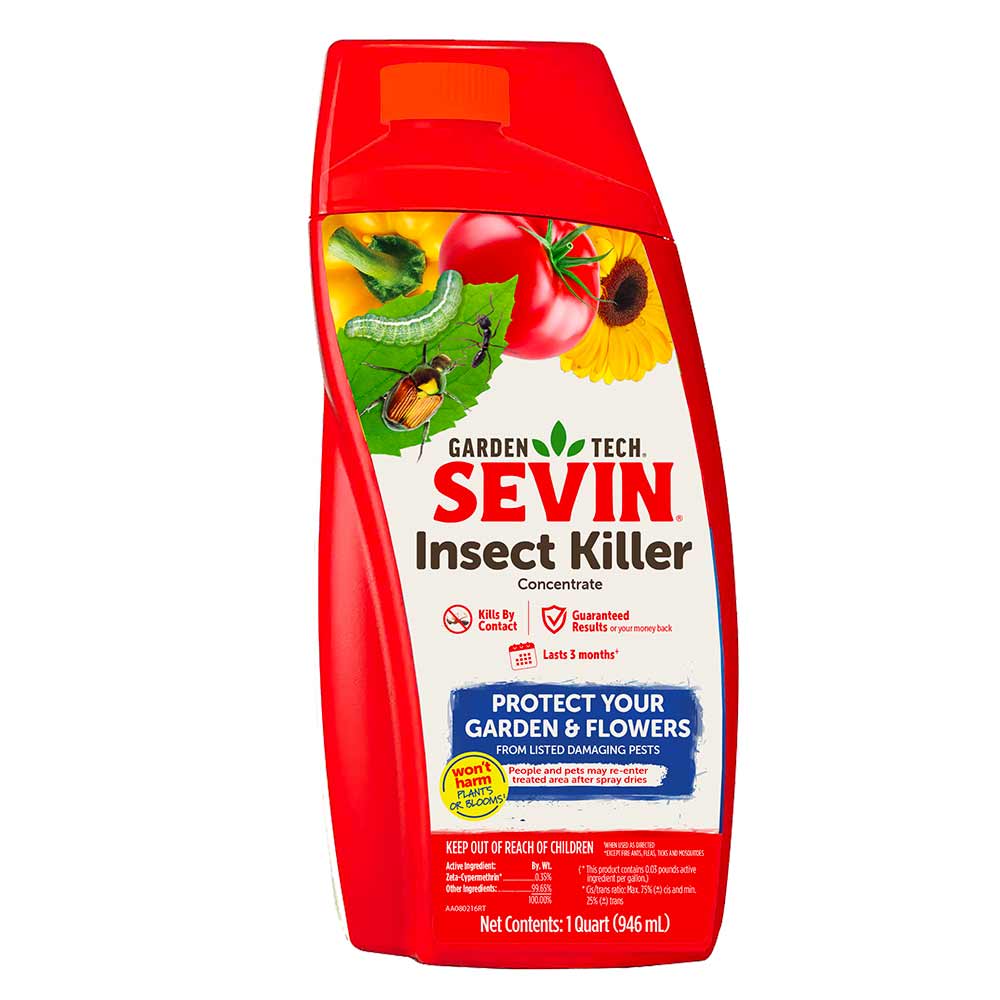
- Sevin® Insect Killer Concentrate works well for homeowners with large areas to treat. Use 4 fluid ounces of the concentrate per gallon of water, mix and add to a lawn sprayer to treat 250 square feet. This treatment kills katydids on contact in both ornamental and edible gardens, on lawns, in trees and more, as listed.
With both products, avoid spraying flowers with open blooms to protect pollinating insects. Remove all pets from the yard during application. And wait at least 24 hours after applying Sevin Insect Killer before watering your plants and lawn. People and pets may return to the treated area after the spray has dried.
Katydid Control Tip: In early spring, when you notice your trees and shrubs starting to produce tiny leaf buds, look for katydids. These insects enjoy feeding on new, tender growth. Move slowly! Katydids have excellent hearing and will hide on the undersides of leaves if they hear a predator (like you) approaching.
Always read product labels thoroughly and follow instructions, including guidelines for listed plants and pests, application frequencies and pre-harvest intervals (PHI) for edible crops.
GardenTech is a registered trademark of Gulfstream Home and Garden, Inc.
Sevin is a registered trademark of Tessenderlo Kerley, Inc.
Photo credits:
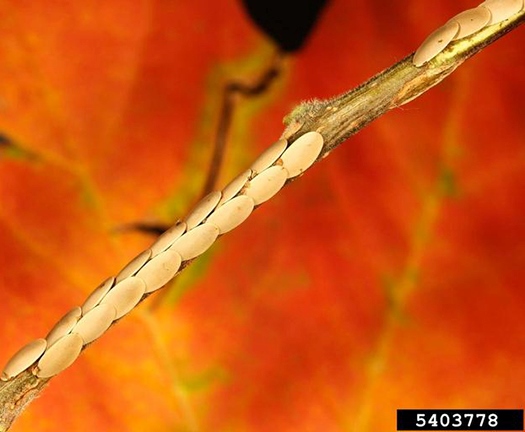
"Broadwinged Katydid" (Image 5403778)by Joseph Berger by Bugwood.org (CC BY 3.0 US)
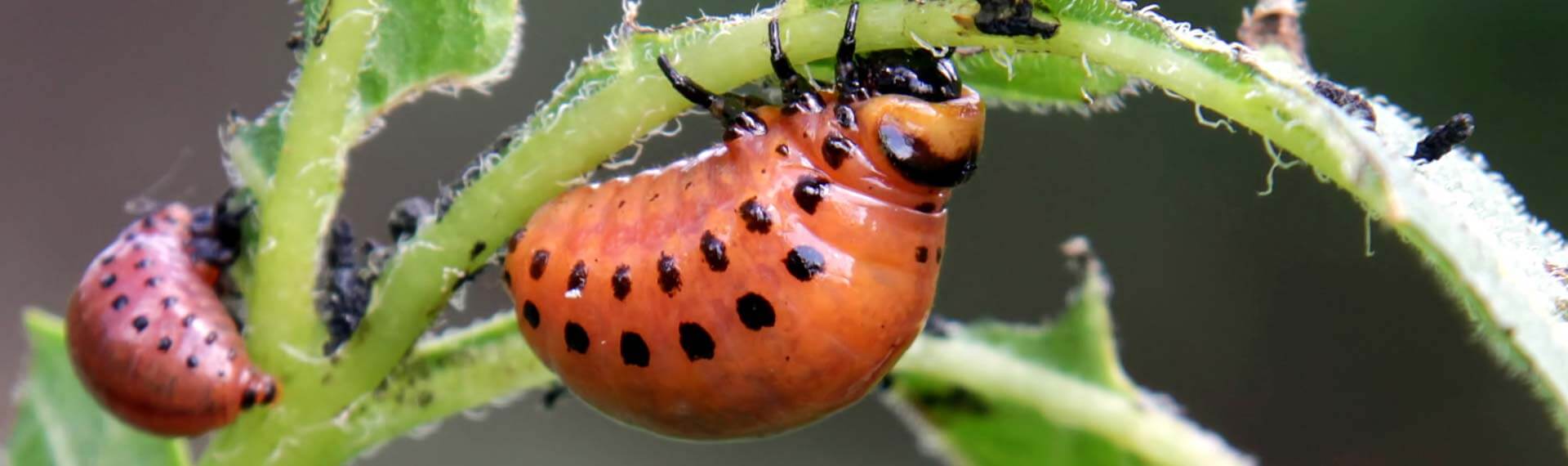
"Katydid Infestation" (Image 5424294)Ronald F. Billings, Texas A&M Forest Service, Bugwood.org (CC BY 3.0 US)
Is this not your insect?
View all Insects