Pillbugs
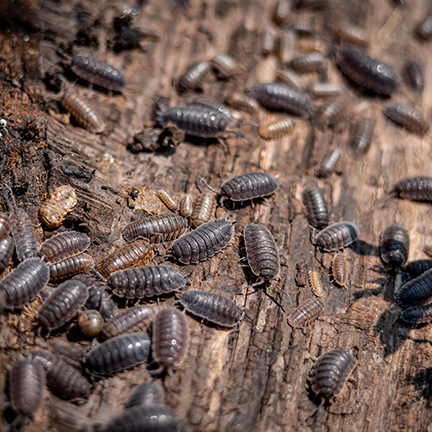
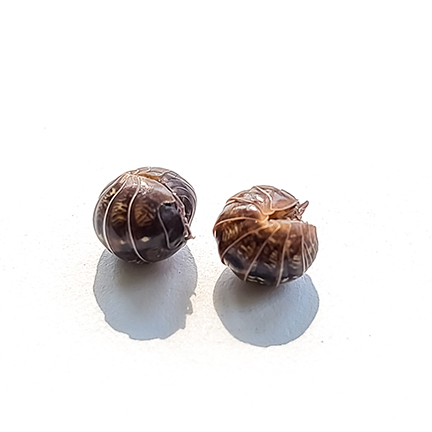
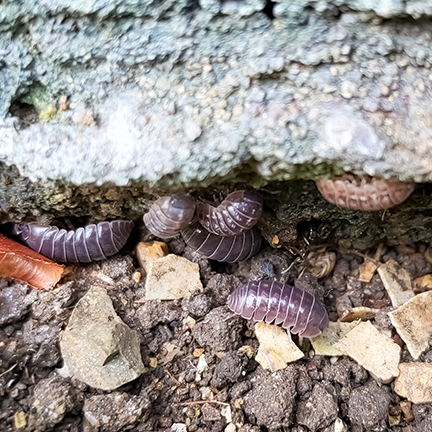
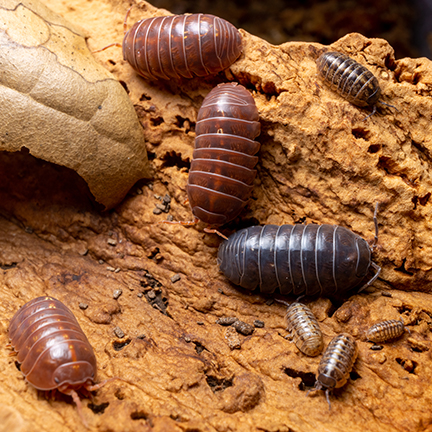
Common pillbugs are known for their habit of curling into a ball — called conglobation — when disturbed. This behavior has led to common names like “roly-polies” or “armadillo bugs.” Yet pillbugs aren’t “bugs” or insects at all. They’re actually a natural rarity, a land-dwelling crustacean more closely related to shrimp or krill than beetles or ants.
Pillbug Identification
Roughly ½" long, pillbugs possess seven pairs of legs for a total of fourteen — more than insects, but fewer than centipedes or millipedes, which they aren’t related to either. Pillbugs also have a double pair of head antennae, one that's larger and one that's harder to see.
The most common pillbug species in North America is Armadillidium vulgare, which is found in a variety of colors. Young pillbugs are often pale, darkening as they age, and spots may be present.
Native to the Mediterranean region and naturalized in North America, pillbugs thrive on decaying organic matter, so they tend to congregate in places where moisture is present, like irrigated lawns, leaf litter, mulch or under logs. Pillbugs don’t pose much of a problem for humans. They don’t bite or sting, and they aren’t poisonous or venomous. Some pillbugs are even kept as pets. However, they generally are not a welcome sight when large numbers are discovered in the home.
Pillbug Signs or Damage
Pillbugs are often found in potentially wet locations in the home, like basements, bathrooms, near entries or windows and on houseplants. Pillbugs are sensitive to their need for moisture and will migrate to locations in the house where they can find the critical dampness they require.
Aside from actually seeing the pillbugs themselves, you probably won’t identify any other signs of them indoors. Because pillbugs generally only seek decaying matter, you won’t find them chewing, tunneling or otherwise disturbing your home. They don’t harm structures like ants, and they don’t bother your possessions or furniture like silverfish. Without a moisture source indoors, they’ll probably only survive a few days at most.
Outdoors, pillbugs cause little to no damage. Occasionally they will seek garden produce like berries or tomatoes or go after the stalks of immature plants, but this damage is often minimal.
How to Control Pillbugs
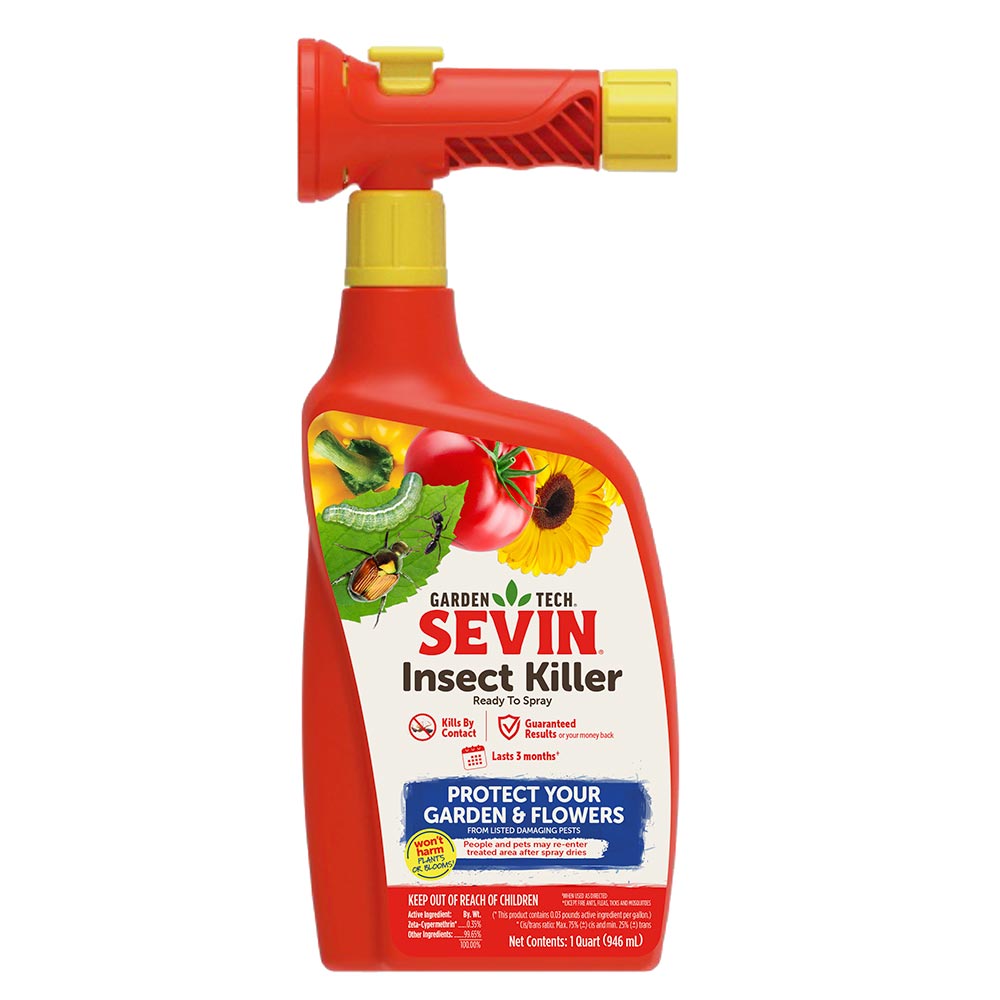
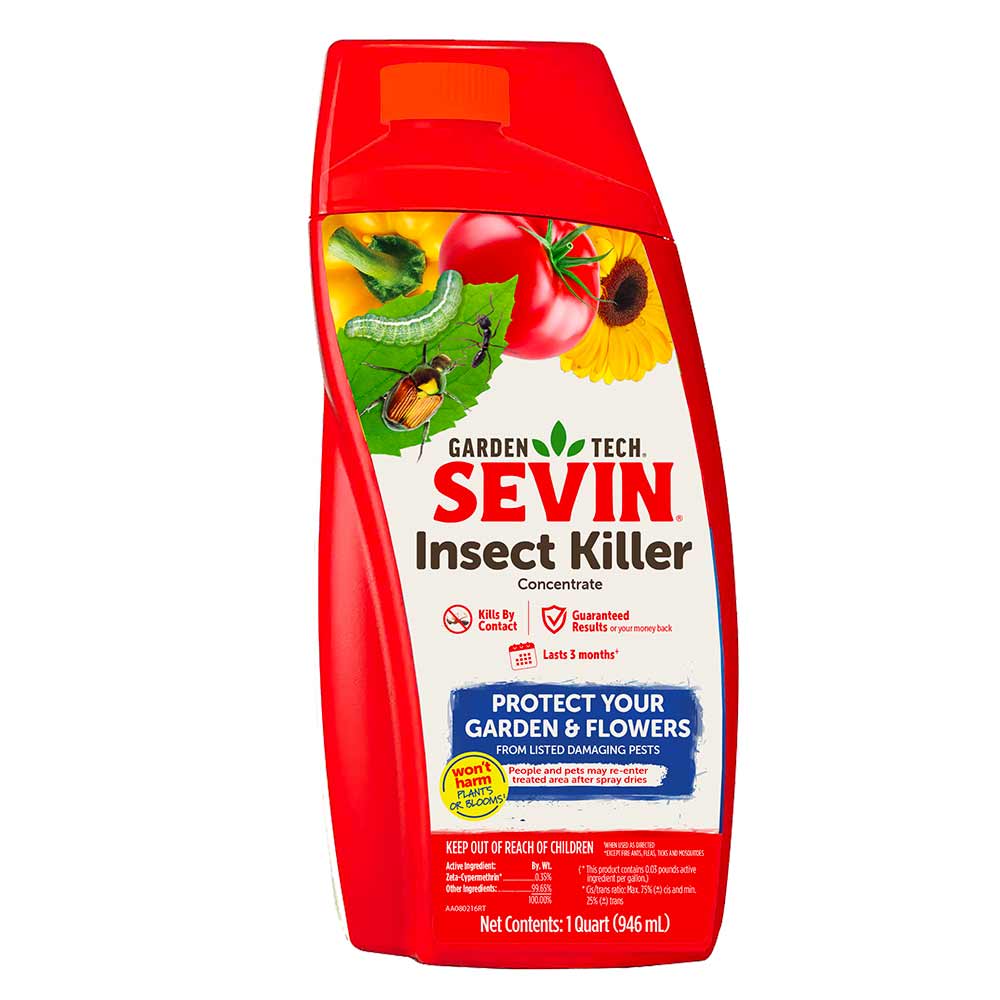
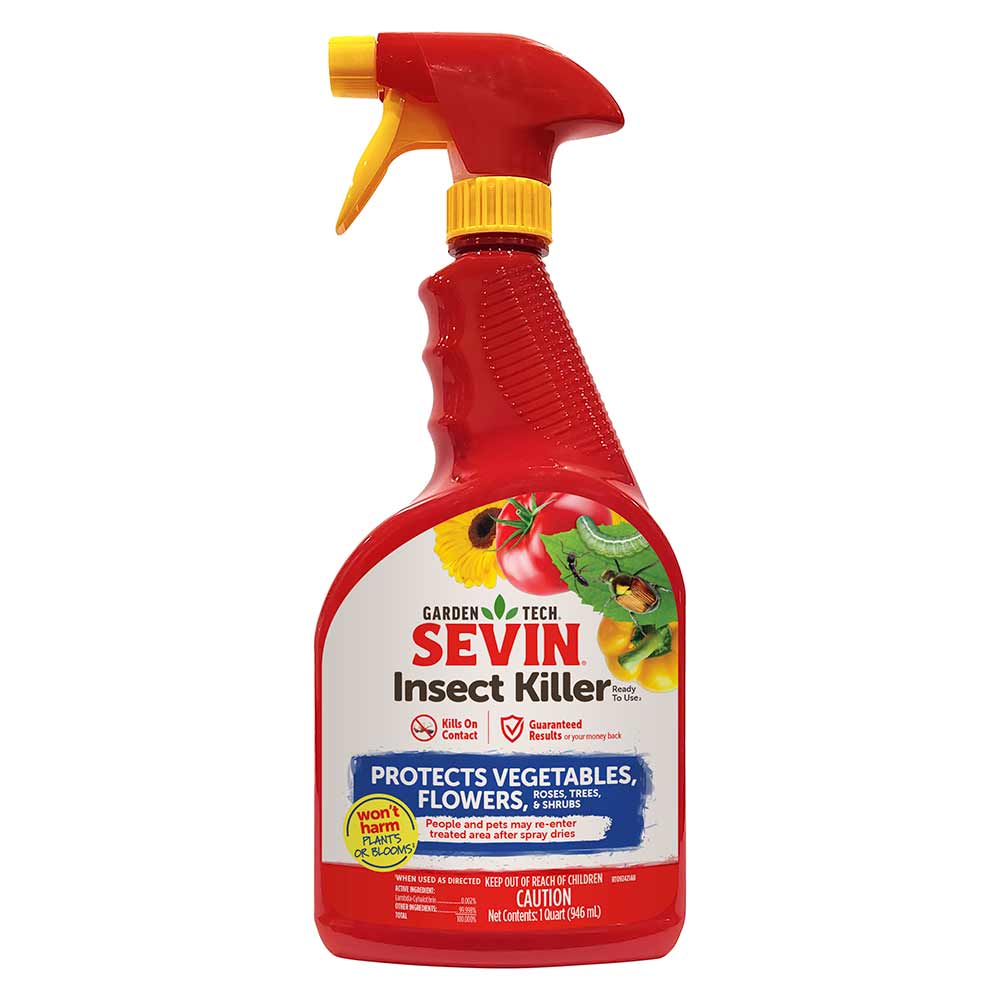
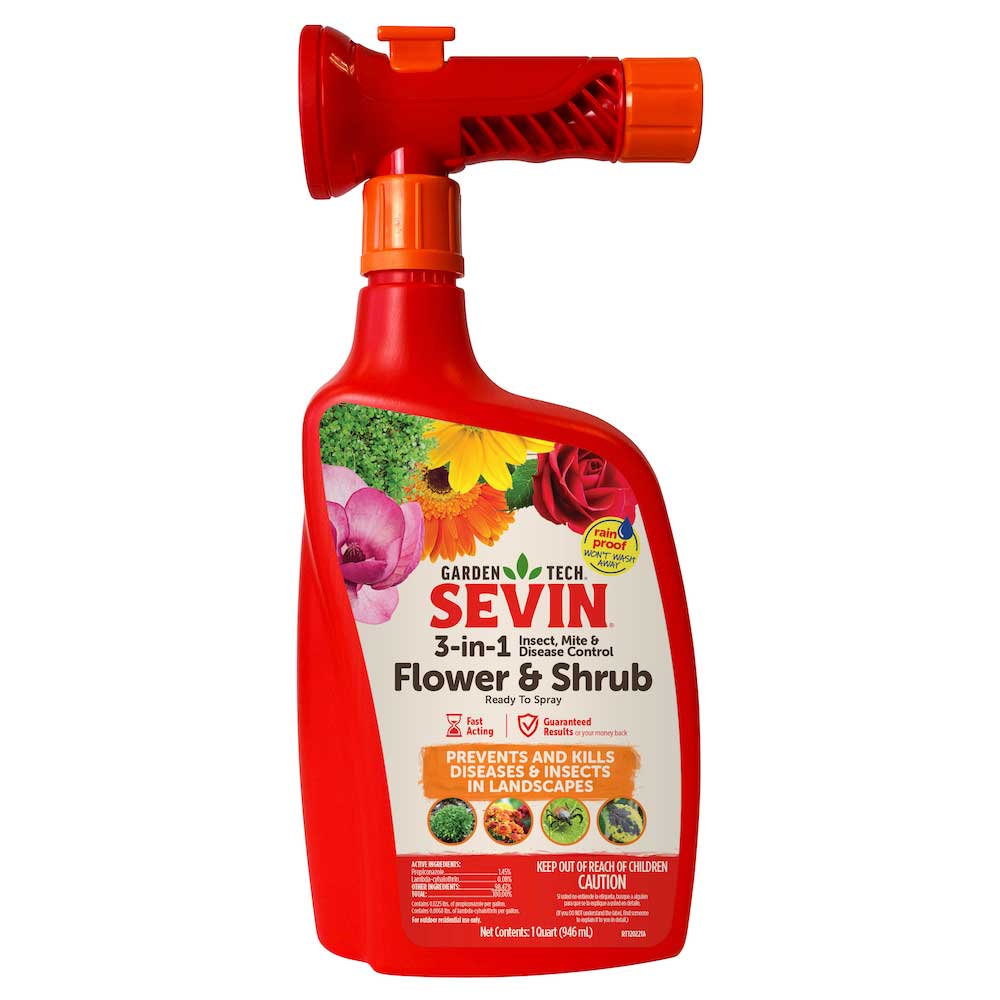
Effective treatment of pillbugs is your best protection against pillbugs indoors and out. GardenTech® brand offers several highly effective outdoor controls that kill pillbugs and protect your home:
- Sevin® Insect Killer Ready to Spray provides up to 3 months of protection for hundreds of pests, including pillbugs. Simply attach a garden hose to the bottle and spray near areas where you’ve spotted pillbugs.
- Sevin Insect Killer Concentrate offers the same protection but in a concentrated form. Simply mix your desired amount in the sprayer of your choice for up to 3 months* of protection.
- Sevin Insect Killer Ready to Use2 is a good option for pillbugs in small numbers, as the sprayer is self-contained with the product. Perfect for protection around the foundation of your house.
- Sevin 3-in-1 Flower & Shrub Ready to Spray pulls triple-duty, killing mites, listed insects, and listed plant fungi (such as black spot) all at one time. Count pillbugs in that mix as well.
Pillbug Control Tip
You may find pillbugs congregating in areas that hold moisture. If you observe them frequently in your lawn, consider adjusting your watering schedule or cleaning up lawn litter, including leaves and grass clippings. Rake your lawn well during the spring and summer to keep lawn thatch to a minimum. In particular, try to keep mulch and outdoor organic debris away from the foundation of your home, where it can easily invite pillbugs to venture inside. Caulking entries where pillbugs can gain home access can be quite helpful — foundation cracks, peeled siding and the frames around windows are all potential entry points.
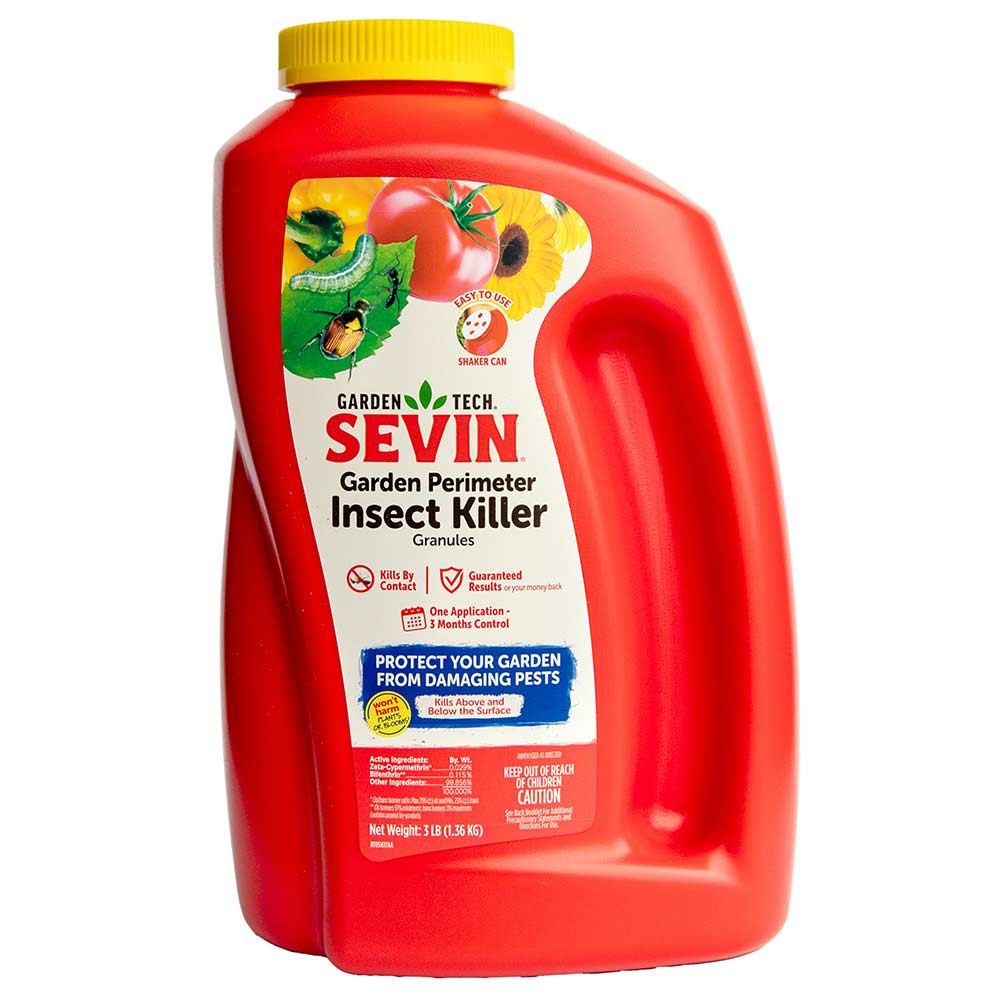
Likewise, if you see a good number of live or dead pillbugs in your home, you may have undetected moisture issues. Consider seeking out and repairing any window, door or foundation seals. Pillbug sightings can also indicate problems with leaks in the roof or plumbing. Dehumidifiers in the basement may help with general foundation moisture that could attract pillbugs. Use Sevin Garden Perimeter Insect Killer Granules to help keep pillbugs away from the home or any specifically vulnerable plants.
*except fire ants, fleas, ticks and mosquitoes
Always read product labels thoroughly and follow instructions, including guidelines for listed plants and pests, application frequencies and pre-harvest intervals (PHI) for edible crops.
Is this not your insect?
View all Insects